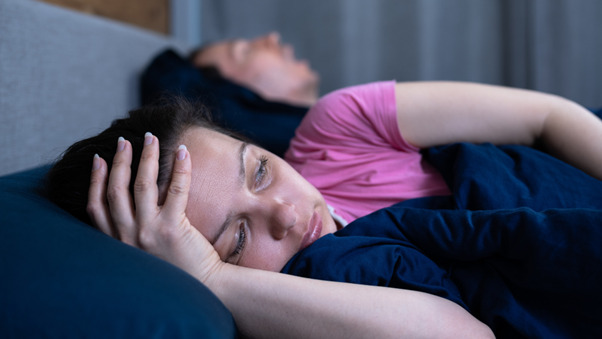
Sleep apnea is a significant sleep disorder impacting millions globally, often undetected. It is characterized by frequent pauses in breathing during sleep, which can lead to significant health problems if not addressed. The disorder can severely impact the quality of life, making understanding and managing it essential.
There are three main types of sleep apnea: Obstructive Sleep Apnea (OSA), where throat muscles relax and block airflow; Central Sleep Apnea (CSA), which occurs when the brain fails to signal breathing muscles; and Treatment-emergent Central Sleep Apnea, which can develop during treatment for OSA.
Understanding sleep apnea is crucial because it doesn’t just disrupt sleep—it can lead to severe health issues like high blood pressure, heart disease, and stroke. Studies show that untreated sleep apnea can increase the risk of heart failure by up to 140%. Recognizing and addressing this condition early is vital for safeguarding your health and improving your well-being.
1. What is Sleep Apnea?
Definition:
Sleep apnea is a disorder where your breathing repeatedly stops and starts during sleep, often leaving you tired despite a full night’s rest. This condition disrupts your sleep cycle, preventing you from reaching the deep, restorative phases of sleep, which is essential for your overall health.
Types of Sleep Apnea:
- Obstructive Sleep Apnea (OSA):
The most common type, caused by the relaxation of throat muscles that block the airway. - Central Sleep Apnea (CSA):
This occurs when the brain fails to send the right signals to the muscles that control breathing. - Treatment-emergent Central Sleep Apnea:
A condition where OSA converts to CSA during treatment, complicating the condition further.
Understanding these types is crucial for proper diagnosis and treatment, as each type requires a different approach to manage effectively. Early recognition and treatment can significantly improve your quality of life and prevent serious health complications.
2. Causes of Sleep Apnea
Obstructive Sleep Apnea (OSA):
OSA occurs when the throat muscles relax, leading to airway blockage during sleep. Risk factors include excess weight, a thicker neck circumference, and a naturally narrow airway. Men are more likely to develop OSA, especially with lifestyle factors like alcohol consumption, sedative use, and smoking, all of which can further relax the throat muscles and worsen the condition.
Central Sleep Apnea (CSA):
CSA is caused by a malfunction in the brain’s signals that control breathing. This type is more common in older adults and men, particularly those with heart disorders or who use narcotic pain medications. Conditions such as stroke and heart failure also significantly increase the risk of developing CSA.
Understanding these causes is essential for identifying the type of sleep apnea you may have and determining the most effective treatment plan.
3. Symptoms of Sleep Apnea
General Symptoms:
Sleep apnea often manifests through loud snoring, episodes of stopped breathing, and gasping for air during sleep. Many sufferers wake up with a dry mouth or a morning headache, and they may experience insomnia or excessive daytime sleepiness, known as hypersomnia. Difficulty concentrating, irritability, and mood changes are also common, impacting daily life and overall well-being.
Symptoms Specific to Each Type:
For Obstructive Sleep Apnea (OSA), loud snoring and gasping during sleep are the most common symptoms.
In contrast, Central Sleep Apnea (CSA) is more likely to cause insomnia and breathlessness, with fewer instances of snoring. Understanding these symptoms can help in early detection and effective treatment.
4. Complications of Untreated Sleep Apnea
Health Risks:
Untreated sleep apnea can lead to severe health risks, including high blood pressure, heart problems, and a significantly increased risk of heart attacks and strokes. It also raises the chances of developing type 2 diabetes and metabolic syndrome.
During surgery, sleep apnea can cause complications due to anesthesia, and it’s linked to liver problems, including nonalcoholic fatty liver disease.
Impact on Daily Life:
Daytime fatigue from poor sleep can lead to accidents and reduced performance at work. Mental health issues like depression and irritability are common, further affecting quality of life. Additionally, loud snoring often leads to sleep deprivation for partners, straining relationships.
5. Diagnosis of Sleep Apnea
Initial Consultation:
If you suspect sleep apnea due to symptoms like loud snoring or daytime fatigue, it’s crucial to consult a healthcare provider. Early diagnosis can prevent serious health complications. A doctor will evaluate your symptoms and medical history, determining whether further testing is necessary.
Diagnostic Tools:
The standard method for diagnosing sleep apnea is a sleep study, known as polysomnography, conducted overnight in a sleep lab. This test monitors your breathing patterns, heart rate, and oxygen levels while you sleep.
For those unable to visit a sleep lab, home sleep apnea testing offers a convenient alternative, allowing you to gather necessary data from the comfort of your home.
6. Treatment Options for Sleep Apnea
Lifestyle Modifications:
Managing sleep apnea often begins with lifestyle changes. Losing weight, avoiding alcohol and sedatives, and changing sleeping positions can significantly reduce symptoms. These adjustments are particularly effective for mild cases of Obstructive Sleep Apnea (OSA).
Positive Airway Pressure (PAP) Therapy:
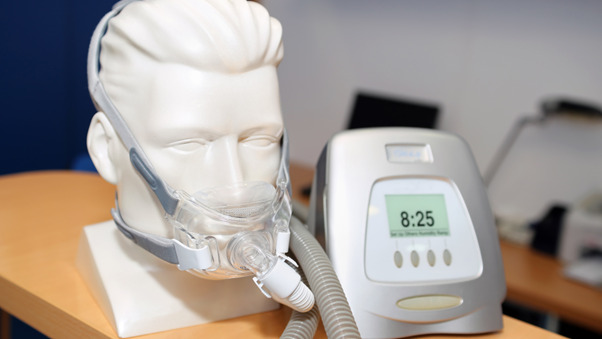
The most common treatment for sleep apnea is CPAP (Continuous Positive Airway Pressure) therapy. This involves a machine that keeps airways open during sleep. Other options include BiPAP (Bilevel Positive Airway Pressure) and adaptive servo-ventilation devices, which adjust to your breathing patterns.
Oral Appliances:
Custom-made oral appliances, designed to adjust the position of the jaw and tongue, can help keep the airway open during sleep. These are particularly useful for patients with mild to moderate OSA who prefer a less invasive option.
Surgical Options:
Surgery may be necessary to remove obstructive tissues or correct structural issues. Procedures like Uvulopalatopharyngoplasty (UPPP), tonsillectomy, and adenoidectomy can improve airflow. Jaw surgery and nasal surgery may also be recommended to address anatomical causes of obstruction.
Nerve Stimulation Devices:
Hypoglossal nerve stimulators can prevent the tongue from blocking the airway, providing relief for those with OSA who do not respond well to other treatments.
Medications (for CSA only):
While not widely accepted, medications such as hypnotics and respiratory stimulants may be used to treat Central Sleep Apnea (CSA). These are generally reserved for cases where other treatments are ineffective.
7. Self-Care and Managing Sleep Apnea
Adopting a Healthy Lifestyle:
Managing sleep apnea starts with a healthy lifestyle. Regular exercise and a balanced diet can help reduce symptoms by promoting weight loss and improving overall health. It’s also important to avoid triggers like alcohol and heavy meals before bedtime, as these can worsen sleep apnea.
Using Devices Properly:
For those using PAP devices, proper adjustment and maintenance are key to effectiveness. Ensure that your mask fits well and that you’re comfortable using the device throughout the night. Regular cleaning and following your healthcare provider’s guidelines can help you get the most out of your treatment.
Monitoring and Follow-Up:
Ongoing monitoring and regular check-ups with your healthcare provider are essential for managing sleep apnea effectively. These appointments help ensure that your treatment is working and allow for adjustments if necessary. Staying proactive in your care can greatly improve your quality of life.
Conclusion
Early diagnosis and treatment of sleep apnea are crucial for preventing serious health complications and improving your well-being. If you suspect you may have sleep apnea, visit Sleep Apnea Clinic Singapore to seek proper treatment. Taking early action ensures better sleep and a healthier future. Don’t let untreated sleep apnea impact your life seek the right care and enjoy the benefits of improved health and restful sleep.
More Info: